
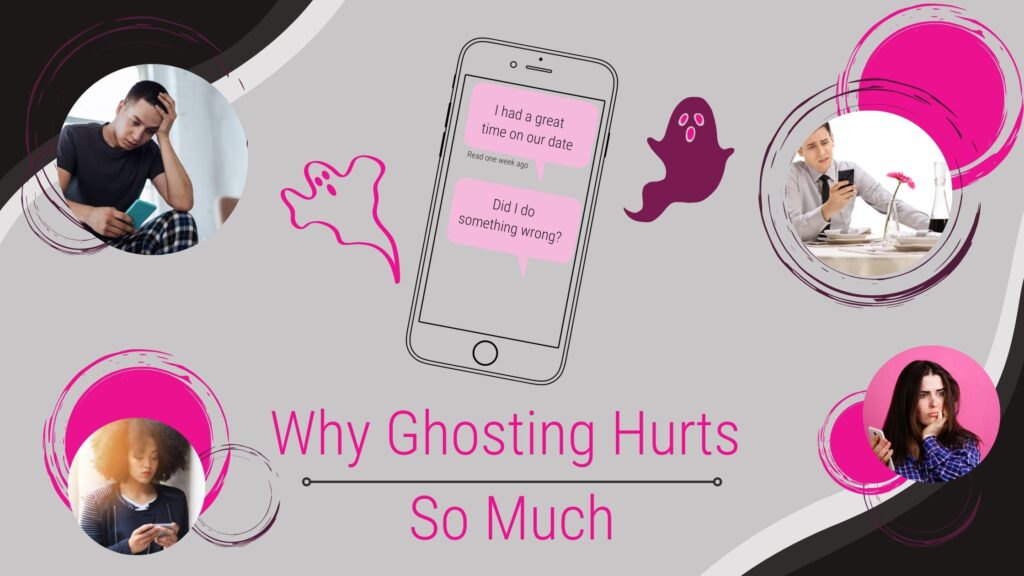
Why Ghosting Hurts So Much
Ghosting. You know the drill. You’re chatting, you go on a fantastic date, and suddenly…nothing. Sure, you’ve only known this person for a couple of days, but you had fun…right?
So, you’ve been ghosted? You’re not the only one. With dating applications on the rise, ghosting has unfortunately become an acceptable way to let a person know that you’re not interested. While it may feel nicer than breaking the bad news, it can actually be more hurtful.
Was it something I said?
If you’ve been ghosted, chances are you’ve spent a little more time than you’d care to admit replaying the date in your head.
Maybe I shouldn’t have worn that. That was a stupid thing to say. It was probably because I did this.
It’s completely normal for these thoughts to arise post-ghost. Since you’ve been left without closure, ghosting can lead to a lot of ruminating on what could have gone wrong. Most of the time, ghosting has nothing to do with the ghostee, but in an effort to make sense of the sudden drop-off, we look inwards. This sudden lack of communication can bring out feelings of hurt, anger, and confusion. When ghosting happens frequently, it can lead to dating anxiety and lower self-esteem.
Ghosting hurts because it is a rejection without explanation. Even if you’ve only known this person for a short amount of time, you’ve probably shared nice moments, conversations, or even fantasized about future dates. Ghosting shatters these fantasies, which can be extremely disappointing—even if we didn’t know them very well.
Why do we ghost?
Ironically, we ghost people because we don’t want to hurt them. Rejection can be uncomfortable to give, so instead of confronting it, we just…disappear. For the most part, ghosters aren’t these evil, spiteful individuals that cut contact to drive you crazy (even if it feels that way). They’re usually people that don’t know what they’re looking for or aren’t emotionally available to date. Articulating that may be difficult or awkward, so they say nothing. Ghosting doesn’t feel good for either party. Ghosters often feel guilty or anxious about their approach, because deep down, they know it’s not the right thing. Basically, it’s a lose-lose situation.
What to do if you’re being ghosted:
If you suspect you’ve been ghosted, take a deep breath. It can be tempting to obsessively check your phone for a text, but this can make us feel more anxious. If it’s been days or weeks without a word from them, try not to take it personally. (Easier said than done, I know!) To combat this, try to cultivate compassion for the ghoster. Perhaps they are going through something and need to do some work on themselves. You want someone emotionally available, so it’s best to move on. This reframe can be empowering and prevent you from negative self-talk. Ghosting can be a learning opportunity as well. Experiencing the pain of ghosting can inspire you to improve your communication skills for the next time you’re in a position to ghost. Being honest and straightforward when dating saves both parties time, energy, and heartache.
What to do instead of ghosting:
If you’re not into this person, you should tell them as soon as possible. Keep it simple and be honest. If you don’t feel a connection, it’s okay to say that. In fact, the other person will probably appreciate your honesty and might even send you a nice message in return. This is not to say that they won’t be hurt, but you’ll both have the closure to move on. A win-win!
Ghosting is, unfortunately, a part of the reality of dating. Although painful, it doesn’t have to keep us down for too long. These losses will make the person who stays all the more special!
Looking for some help when it comes to dating? Trying to figure out what went wrong on your date that leads to it not working out? Contact Respark for our Dating Coaching Services today!